


PTSD: How Can I Help Myself?
- Natasha
- Feb 28, 2023
- 4 min read

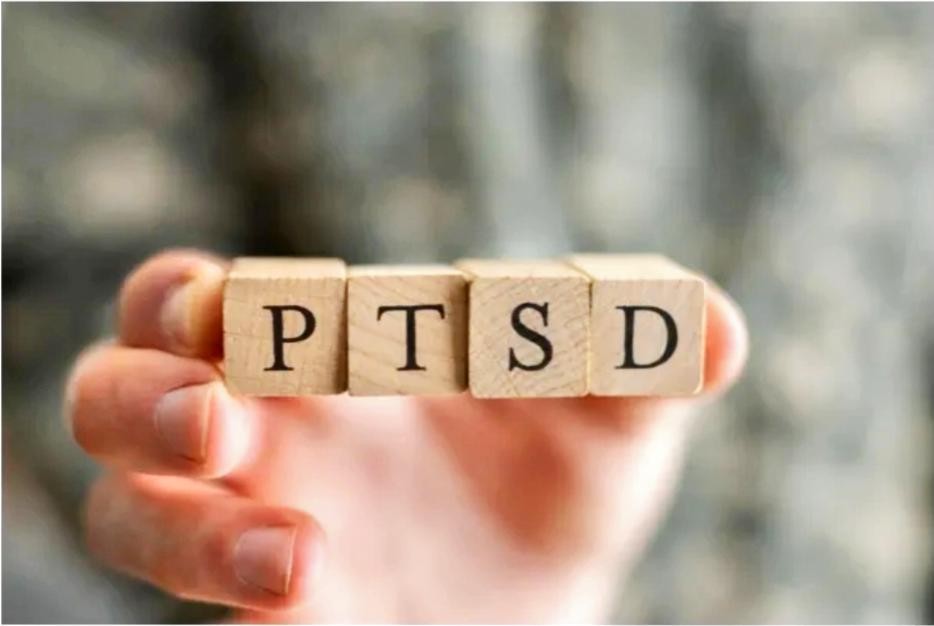
PTSD- Is short for Post-traumatic stress disorder which is a condition that causes flashbacks, nightmares and uncomfortable symptoms such as anger, sleep difficulties and a negative view of the world, after experiencing an overwhelming or disturbing event.
Living with PTSD can feel overwhelming. This page offers some practical suggestions for looking after yourself.
1. Stay Active
Exercise can boost your mood and help with PTSD symptoms like anxiety and irritability. Physical activity can also be a source of happiness and provide relief from flashbacks and negative views of the world. People may also find that physical activity provides social support if they choose to join a running group or attend group exercise classes at a gym or fitness center. Exercise interventions have been shown to be effective for people struggling with PTSD. A recent review of the research indicates that exercise decreases PTSD symptoms and depression
2. Focus on your breathing
When you are frightened, you might stop breathing normally. This increases feelings of fear and panic, so it can help to concentrate on breathing slowly in and out while counting to five or however high you need to count to. I recommend counting up to 10 then counting backwards focusing on the number you are saying in your head.
3. Meditate
With meditation, you can learn to be more mindful and aware of the present moment, your body sensations, thoughts and feelings. It is effective in regulating your nervous system. Research suggests that meditative practices can reduce PTSD, anxiety, depression, as well as stress induced symptoms. Guided meditation may be especially helpful for people recovering from PTSD. One study involving guided meditation for PTSD found that weekly meditation sessions for four weeks, can significantly reduce the levels of stress hormone (cortisol) in the body.
4. Set Boundaries Families and friends can be impacted by a single person's struggle with PTSD. Relationships can be a challenge for people with PTSD and their loved ones. It is important to set boundaries in any relationship, especially when PTSD or other conditions are involved. When someone is exposed to a traumatic event such as sexual assault or a natural disaster, their boundaries and sense of safety are violated. In relationships with friends, family or a significant other, it is therefore necessary to discuss PTSD triggers and ask loved ones to respect when space or time alone is needed. It is important to know the difference between space for a little bit and isolation. Isolation is detrimental to your health while space to think for a bit is healthy for you.
5. Find a Creative Outlet Creative outlets such as art therapy for PTSD and music therapy for PTSD can have a positive effect on symptoms. Other hobbies such as creative writing or crafting diy projects can provide relief from anxiety and irritability. I personally enjoy doing mandala coloring, focusing my mind on what colors go good to go beside the next part of the mandala. Fortunately, research shows that creative therapies can be effective for PTSD. This might include: Woodworking Learning to play instrument Painting Singing in a choir Cooking Journaling Sewing
Mandala Coloring
6. Build a Support Network Having a PTSD support network can also be beneficial for coping with this mental health condition. Having friends, family members, or a coworker who is available to talk can be important for recovery. One study found that having more social support can reduce the severity of the PTSD symptoms. Social support can therefore alleviate some of the symptoms associated with trauma.
7. Coping with flashbacks
Flashbacks can be very distressing, but there are things you can do that might help. You could:
a. Carry an object that reminds you of the present. Some people find it helpful to touch or look at a particular object during a flashback. This might be something you decide to carry in your pocket or bag, or something that you have with you anyway, such as a keyring or a piece of jewelry.
b. Tell yourself that you are safe. It may help to tell yourself that the trauma is over and you are safe now. It can be hard to thinkin this way during a flashback, so it could help to write down or record some useful phrases at a time when you're feeling better.
c. Comfort yourself. For example, you could curl up in a blanket cuddle a pet, listen to soothing music or watch a favorite film.
d. Try grounding techniques. Grounding techniques can keep you connected to the present and help you cope with flashbacks or intrusive thoughts. For example, you could describe your surroundings out loud or count objects of a particular type or color
8. Seek Counseling
While self-help methods can be useful for coping with PTSD some people may find that they need additional treatment in the form of counseling and therapy. PTSD therapy may include the following counseling styles
Cognitive Processing Therapy - This type of counseling has roots in cognitive behavioral therapy and helps people with PTSD to learn to overcome negative thoughts and feelings of self-blame.
Eye Movement Desensitization and Reprocessing (EMDR) - related specifically to address trauma, EMDR therapy exposes a person to memories of a traumatic event while also moving the eyes to look at other stimuli,
Exposure Therapy - With exposure therapy, a trained professional helps a client develop strategies for coping with trauma by exposing them to triggers, sometimes through virtual reality.
Group Therapy - In this form of treatment, people with PTSD receive support from and learn coping mechanisms from others who are experiencing similar symptoms.

Seeking out one of these types of PTSD treatment from a trained psychiatrist can alleviate symptoms and help people learn ways to manage PTSD.
I hope that this helps you in some way to understand a bit better as I will be trying to use some of these skills to help myself too. Not everyone is as okay as they seem to be. Reach out and connect with your loved ones and friends. Make those plans and try to stick to them even if its a 10 minute coffee get together. Looking forward to seeing you all again soon.
Growth4Life


Comments